
History

Interim was founded in 1975 by mental health professionals, community members, and client families who saw a need for community-based alternatives to institutional care for people with psychiatric disabilities.

The history of Interim, Inc. as a mental health nonprofit reflects decades of commitment to recovery, community integration, and supportive housing in Monterey County.

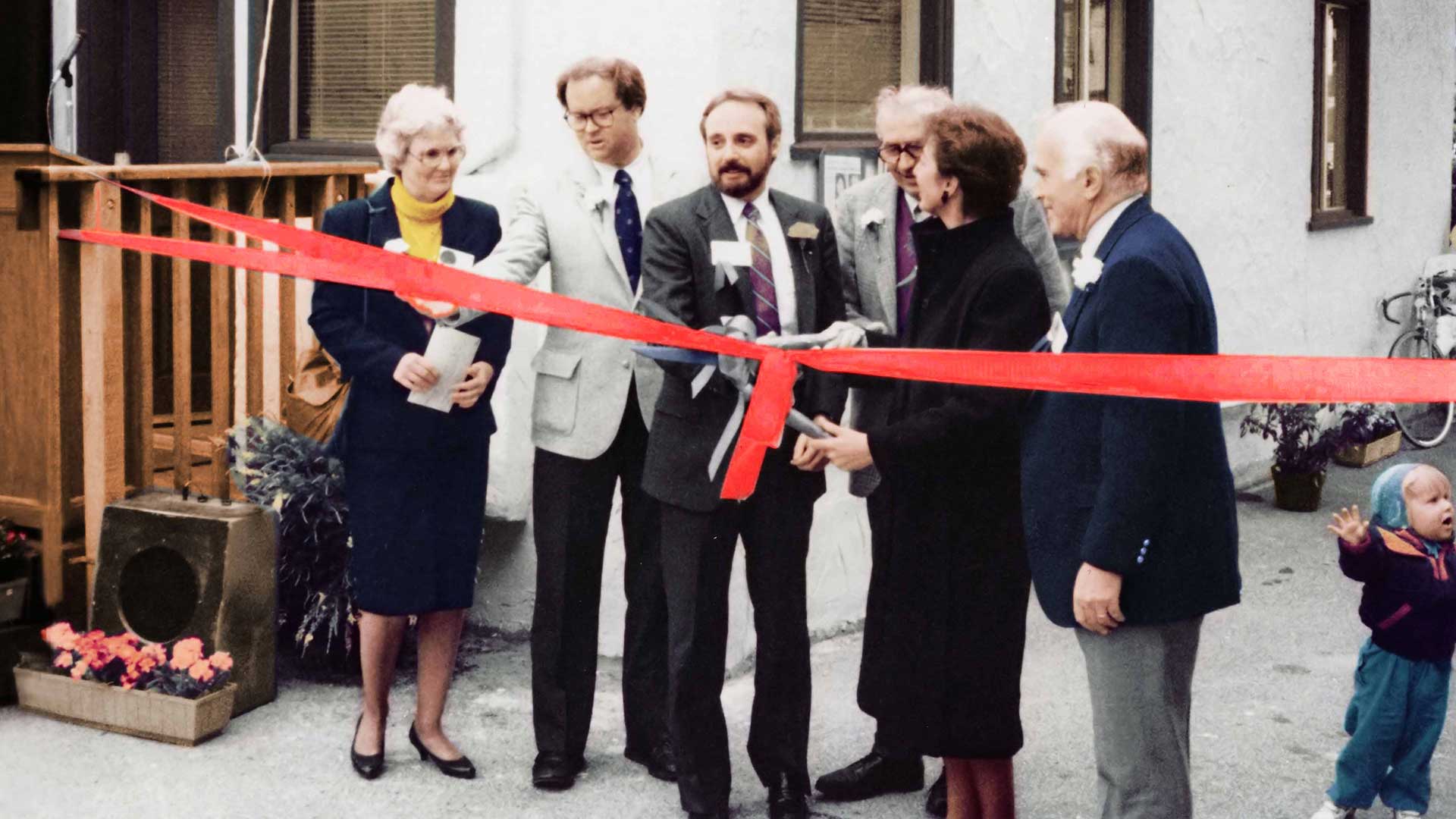
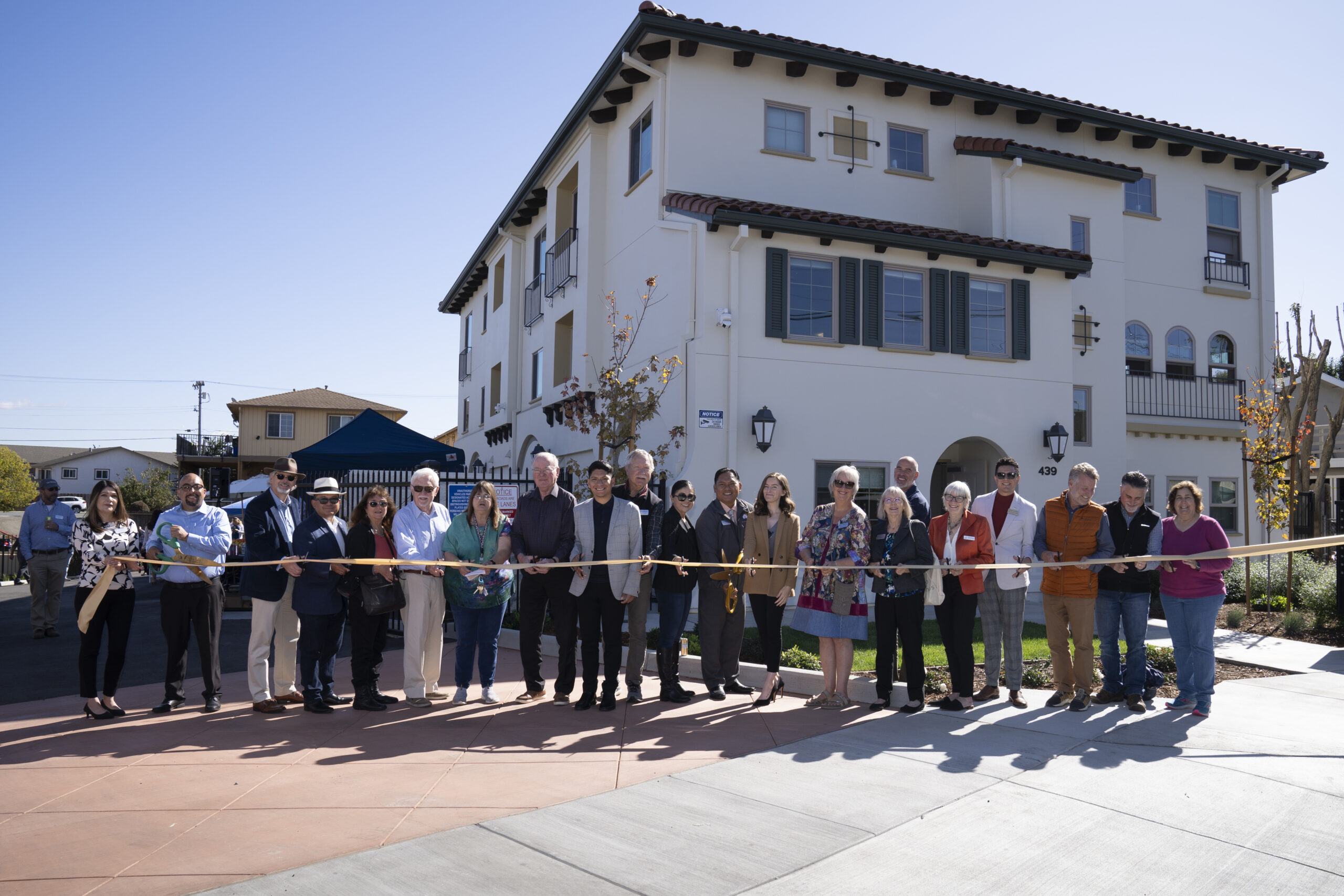
a group of people cutting a red ribbon

1975-1979: Founding and Early Years

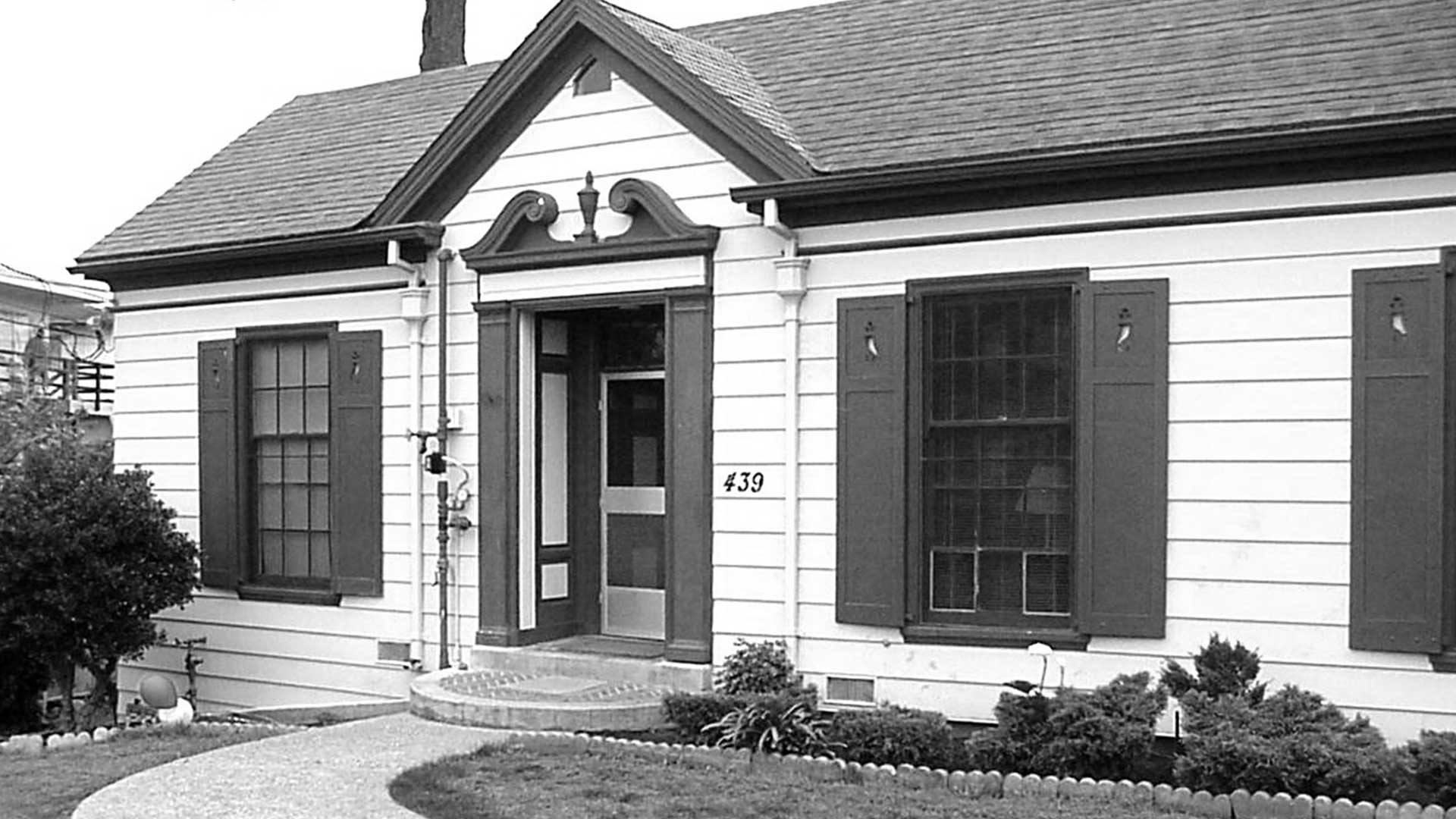
Interim, Inc. was established in 1975 by mental health professionals, community members, and the families of clients who recognized the need for community-based alternatives to institutional care for individuals with psychiatric disabilities. During the 1970s, as California scaled back and closed State Mental Hospitals, many individuals were released into the community without adequate services, housing, or support. Some of Interim’s earliest residents came from State Mental Hospitals, while others had received treatment in acute care facilities. The organization’s first initiative was a 12-bed halfway house in Monterey, developed in 1976, followed by a second halfway house in Salinas in 1977.

a house with a door open

1980s - Expansion and New Ventures

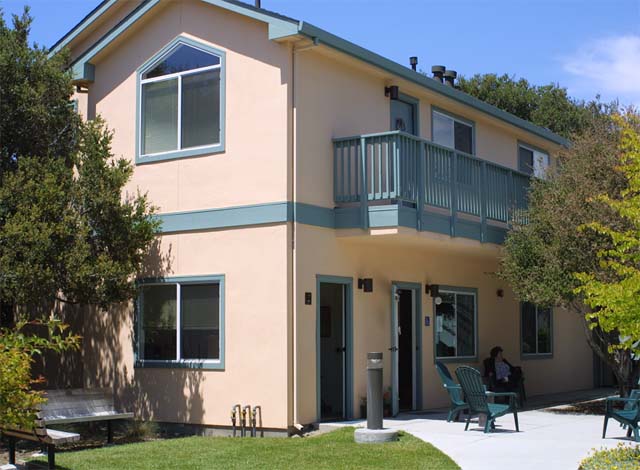
In 1980, Interim expanded its services to include vocational opportunities, launching the Sunflour Cookie Company to provide job skills training for clients in a real-world small business environment. Although the company was later sold, it marked Interim’s initial venture into social enterprise. The mid-1980s saw the creation of the Our Voices program, the organization’s first peer-led social support group for adults with mental illness. Additionally, the Salinas Halfway House was converted into a short-term crisis residential program. A significant milestone came in 1987 with the opening of Pearl Street Apartments, Interim’s first affordable housing project.

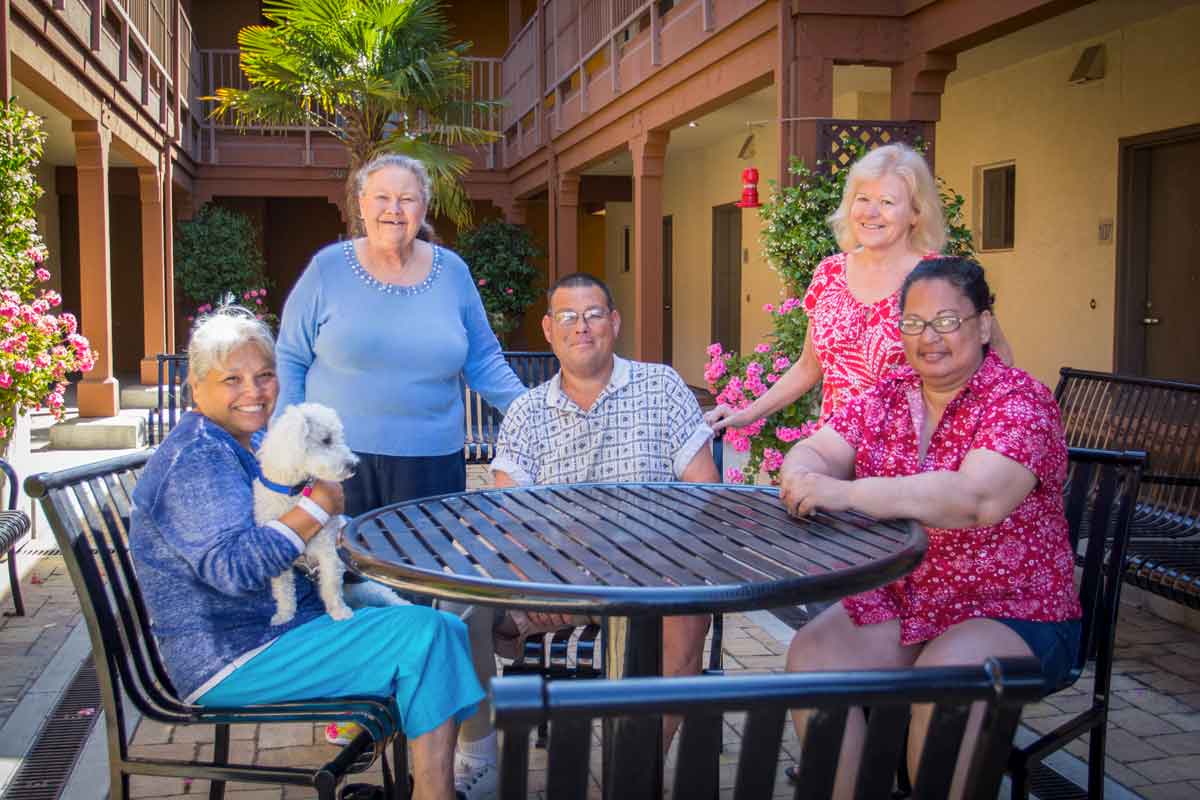
a house with a balcony and a bench

1990s - Diversification and Growth

In the 1990s, Interim continued to expand both its housing projects and the range of services offered. The Bridge House dual-diagnosis treatment program, established in 1995, catered to individuals with co-occurring mental illness and substance use disorders. The following year, the SEES program was introduced, offering supported education and employment services. These expansions marked a period of significant growth and diversification for the organization.

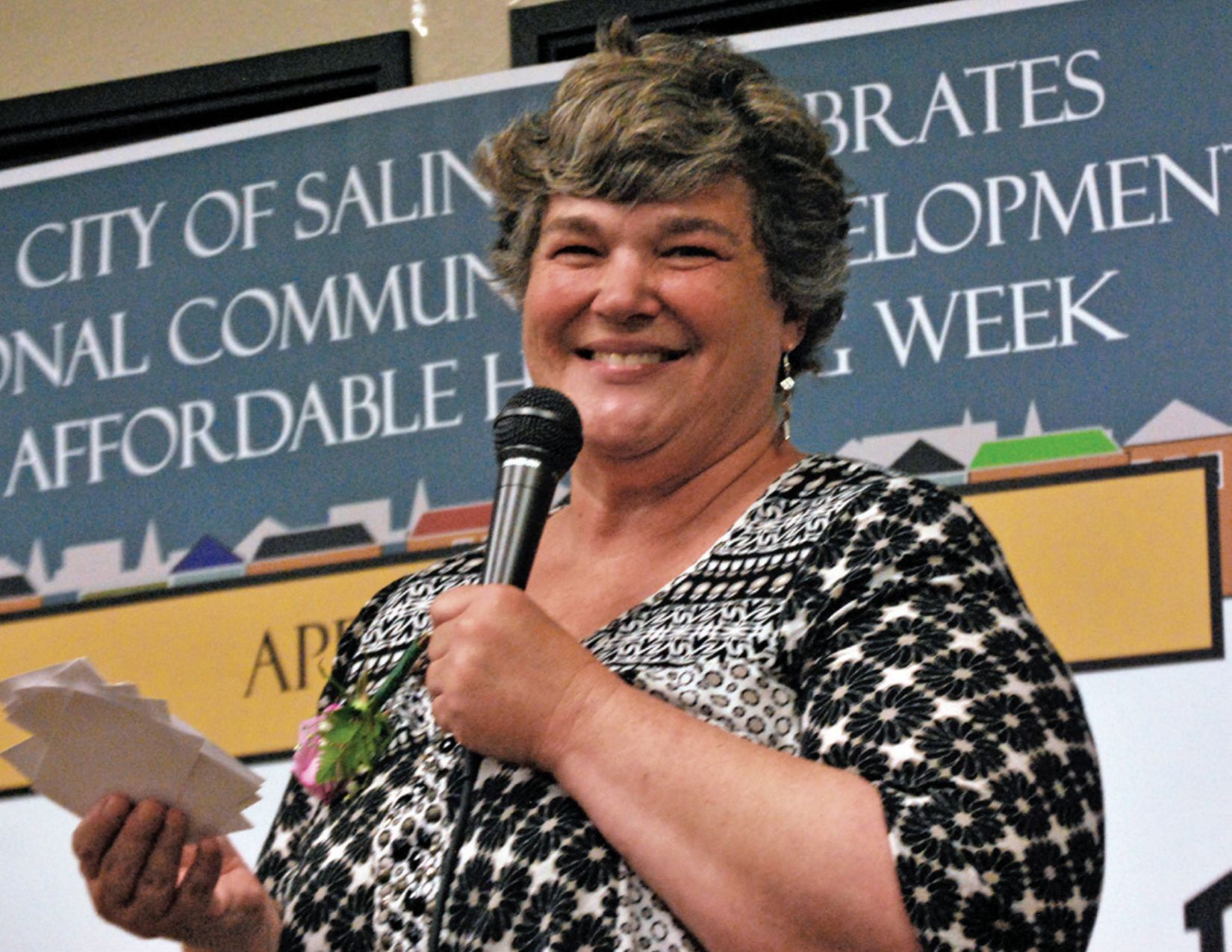
a woman holding a microphone

2000s - Homeless Services and Peer Support Initiatives

The early 2000s saw Interim extending its services to homeless individuals. The MCHOME program, launched in 2002 in collaboration with Monterey County Behavioral Health, provided outreach and support for homeless adults with mental illness, aiming to transition them into housing and treatment. Interim also became a pioneer in peer-based wellness and recovery support, opening the OMNI Resource Center in 2006, which offered peer-led activities, support groups, and leadership training. In 2009, the Success Over Stigma program was established to reduce community stigma through peer and family member testimonials.

During 2007/2008, Interim further expanded its services with the addition of Dual Recovery Services (now Keep it Real) and the Workforce Education and Training program, building on its existing dual-recovery and employment services.

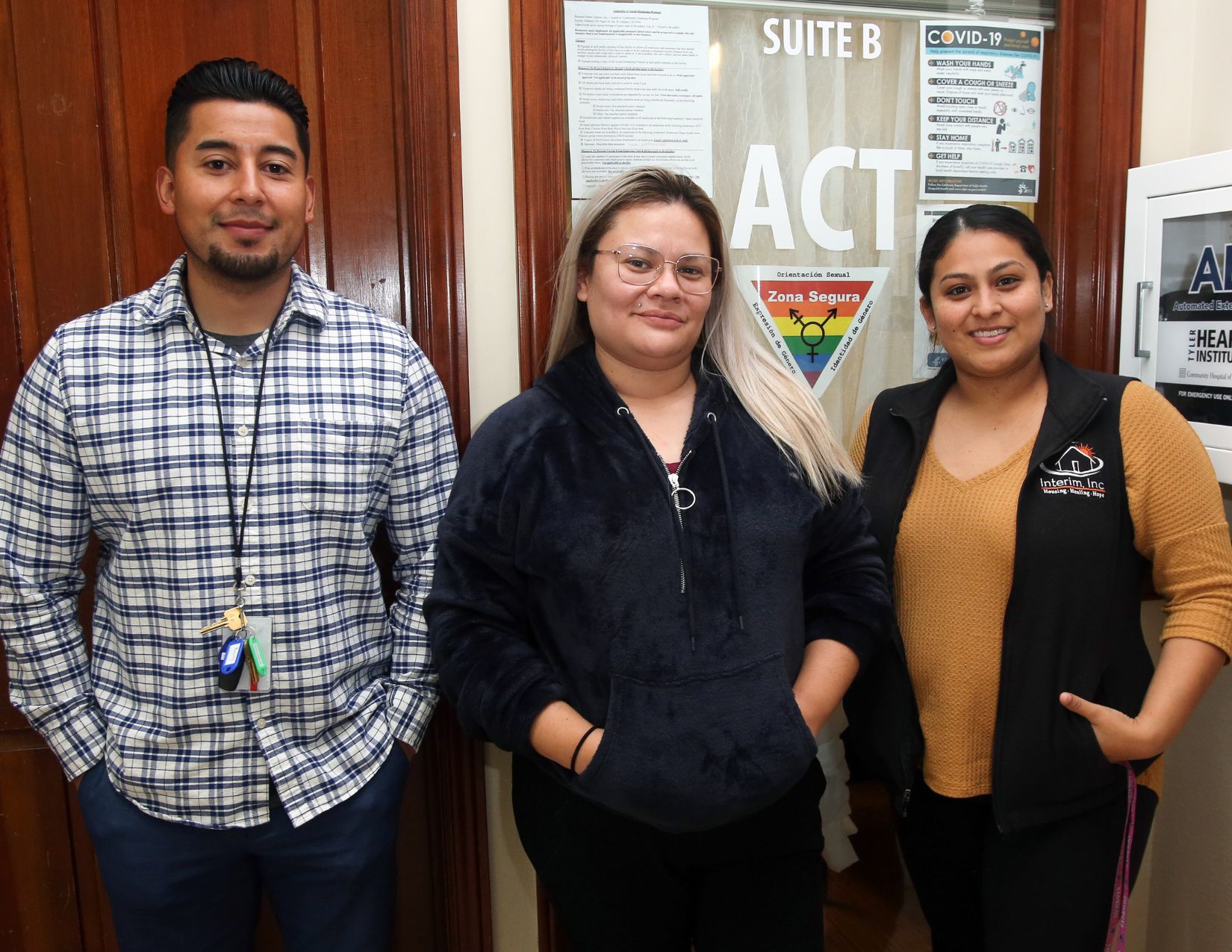
a group of people standing in front of a door

2010s - Continued Innovation and Expansion

The mid-2010s continued this trend of innovation, with the introduction of new programs such as the Peer Partners for Health Program in 2015 and the Transportation Coaching Program in 2019. The Choices program, a day treatment intensive service, began in 2016, focusing on adults with serious mental illness who frequently use hospital services. The Assertive Community Treatment program, launched in 2019, targeted individuals who were not easily engaged in ongoing community treatment.

6

A Legacy of Affordable Housing Development

Since the mid-1980s, Interim has been committed to developing affordable housing for its clients, understanding that controlling housing options is crucial for maintaining affordability for those on public assistance. Interim’s efforts have resulted in the ownership and operation of 19 residential facilities, providing 283 treatment and housing beds. The organization’s housing projects ensure that clients’ rents are affordable, averaging about 30% of their SSI income.

Based in Salinas, Interim opened the Pajaro Street Wellness Center in 2014.
The Center houses the OMNI Resource Center and other programs. In 2016, Interim also began offering other services next door.

Recent History

Sun Rose Apartments: Interim held a grand opening on October 26, 2023, for a 17-bed project in Salinas, Sun Rose Apartments. The three-story complex houses 17 residents and a resident manager.  There are nine studio and one-bedroom units of permanent, affordable, supported housing for adults with psychiatric disabilities who are homeless, chronically homeless, or at risk of homelessness. In addition, one floor of the complex contains transitional housing for eight residents.

The Sun Rose Housing project replaces the former Soledad House, which Interim had owned since 1980. Soledad House was Interim’s original crisis residential facility and later provided transitional, shared housing. The property was in disrepair, and Interim demolished the building and used the property to build Sun Rose Apartments. Wald, Ruhnke & Dost Architects designed the project.

Commercial Insurance: Additionally, as of 2023, Interim has begun accepting commercial insurance for several programs, including Manzanita House, Choices, and The Academy, allowing more individuals to access services without giving up commercial health insurance.

a group of people holding a rope

Barbara Mitchell, who served Interim for 44 years, including 39 years as Executive Director, retired in February 2023. Her leadership transformed Interim into Monterey County’s leading provider of housing and services for adults with mental illness, leaving a lasting legacy of comprehensive behavioral health services.

Barbara and Corey crop e1722363522628“I can now see how much Interim, NAMI (National Association For Mental Illness) and especially the consumers have done  to educate the public, to reduce the stigma of mental illness, and to contribute to the process of recovery. I am proud to have been a part of Interim, an agency that has opened doors for so many consumers.”

Corey Miller – Former Interim Community Housing Program Director 1977 – 2001 (Passed Away, 2015)